

Angola: 255 km Road Infrastructure Upgrade Launched in Malanje
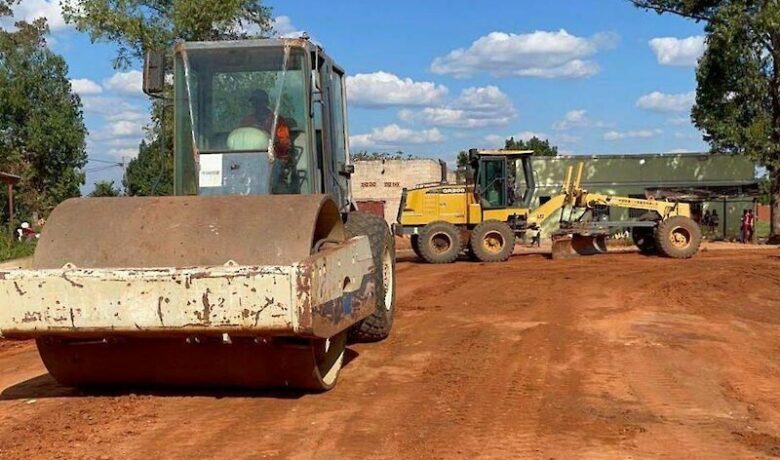
Angola has initiated the rehabilitation of 255 kilometers of roadway in Malanje Province to connect key agricultural and cultural hubs in the north-central region. The 211 billion kwanzas infrastructure project aims to secure heavy freight transit and unlock rural production basins.
The Angolan government officially launched the construction and paving of 255 kilometers of regional roads on October 5, 2026, in the municipality of Cahambo. The project is led by the Ministry of Public Works, Urban Planning and Housing.
Project Scope and Execution Timeline
The primary road corridor will interconnect the municipalities of Quéssua, Kiwaba Nzoji, Cahambo, Bange ya Ngola, and Marimba, while establishing direct access to the historic site of Mbanza Cabombo and the Muculu-a-Ngola region.

• Capital Investment: Over 211 billion kwanzas.
• Execution Period: 24 months (staggered delivery: shorter road segments slated for completion within 12 months, and longer stretches up to 24 months to accommodate seasonal heavy rains).
• Workforce Impact: Direct creation of 1,010 jobs.
• Associated Infrastructure: Urban upgrade of Mbanza Cabombo village (60 housing units, school), water distribution networks, and street lighting.
Operational Impact on Local Supply Chains
The road segment serves as a critical freight corridor for road haulage out of Malanje’s high-yield agricultural zones.
1. Capacity and Freight Continuity: Paving eliminates rainy-season access cutoffs, guaranteeing uninterrupted supply runs to urban markets and industrial processors.
2. Site Logistics Support: The corridor will immediately act as a heavy transport route for construction materials destined for the Sovereigns Memorial and surrounding civil infrastructure.
3. Fleet Cost Reduction: Improved pavement quality reduces transit times, lowers fuel burn, and limits fleet degradation for road transport operators in the north-eastern corridor.
Why It Matters
• Securing Agricultural Deliveries: Direct linkage between rural farming zones in Malanje and national trunk distribution channels.
• Mitigating Seasonal Bottlenecks: Ensures year-round heavy truck transit despite severe tropical weather patterns.
• Regional Connectivity: Links five key municipal nodes to boost bulk commercial trade and regional logistics.
Regional Outlook
Upgrading secondary road networks across Malanje Province strengthens hinterland feeder routes leading into the primary Luanda logistics corridor. By streamlining agricultural collection and input supply chains, Angola aims to reduce reliance on food imports and optimize cross-border freight corridors toward neighboring Democratic Republic of Congo markets.
Reliable road access across these core production basins remains a pivotal lever for streamlining supply chain execution and lowering ton-kilometer transport costs across central-northern Angola.