

South Africa’s ports emerge as a major bottleneck for the automotive industry
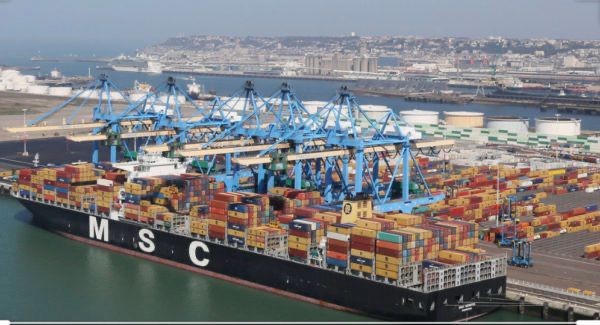
JOHANNESBURG, South Africa — September 3, 2026 — Operational constraints at South Africa’s ports are emerging as a major obstacle to the growth and competitiveness of the country’s automotive manufacturing industry.
South Africa has one of Africa’s most established automotive manufacturing bases, with major production facilities supplying both the domestic market and international destinations. However, weaknesses in port operations are putting additional pressure on manufacturers and exporters.
Port efficiency remains a critical supply-chain issue
For automotive manufacturers, efficient ports are essential for both the import of components and the export of finished vehicles. Delays and operational inefficiencies can increase logistics costs, disrupt production planning and reduce the reliability of export schedules.
The issue is particularly significant for South Africa because the automotive industry is heavily integrated into international supply chains. Vehicles and components move between manufacturing plants, suppliers, ports and overseas markets, making the performance of transport infrastructure a key factor in the sector’s competitiveness.
Automotive sector faces wider infrastructure challenges
The port challenge comes alongside broader constraints affecting South Africa’s freight system, including weaknesses in rail freight and increasing reliance on road transport.
These infrastructure pressures are important for automotive production centres such as the Eastern Cape and Gauteng, where manufacturers depend on reliable connections to ports and suppliers.
South Africa’s automotive sector supports more than 115,000 direct manufacturing jobs and over 500,000 jobs across its wider value chain, according to President Cyril Ramaphosa. The industry also contributes just over 5% of national GDP and exports vehicles to 155 destinations. (thepresidency.gov.za)
Port performance could influence future investment
The infrastructure constraints come at a strategic moment for South Africa’s automotive industry. The country is seeking to maintain its position as a major manufacturing and export base while adapting to the global shift towards electric and new-energy vehicles.
Industry experts have also highlighted the need for South Africa to strengthen its charging infrastructure and policy environment as the automotive sector transitions towards new-energy vehicles. (Engineering News)
For manufacturers and logistics operators, improving port reliability will therefore be critical not only for current vehicle exports but also for attracting future investment in automotive production and components.