Southern Africa: Five Countries Move to Connect Customs Data to Improve Regional Logistics Corridors

Regional Corridors — Southern Africa: Malawi, Mozambique, South Africa, Zambia and Zimbabwe have adopted a joint roadmap to connect their customs systems. The initiative aims to allow cargo information to be shared before goods reach border points, helping reduce clearance delays.
Five Southern African Customs Authorities Adopt a Common Roadmap
Customs authorities from Malawi, Mozambique, South Africa, Zambia and Zimbabwe adopted a roadmap and action plan for Customs-to-Customs (C2C) data exchange during a meeting held in Pretoria from 24 to 26 August 2026.
The meeting was convened by TradeMark Africa (TMA) and hosted by the South African Revenue Service (SARS), with participation from the SADC Secretariat. The plan focuses on improving the exchange of customs information between neighbouring administrations.
Under the proposed system, customs authorities will be able to exchange cargo information before shipments arrive at border crossings. This can support pre-arrival processing, risk assessment and revenue control.
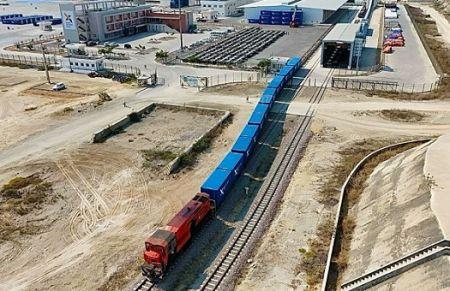
Customs Data Exchange Targets Regional Logistics Corridors
The main operational challenge is to reduce repetitive procedures at borders. For transport operators and cargo owners moving goods across several countries, border delays can increase vehicle waiting times, transport costs and working-capital requirements.
The initiative is expected to be implemented progressively along priority regional corridors. Existing bilateral data-exchange connections between Zambia and Malawi, as well as between Zambia and Zimbabwe, are expected to provide a basis for wider regional integration.
The longer-term objective is to support the development of “Smart Corridors”, where customs information can move electronically between administrations and reduce the need for repeated documentary checks.
Why It Matters
1. Faster customs clearance
Advance access to shipment data can allow customs authorities to identify high-risk cargo before arrival while facilitating the processing of compliant shipments.
2. Lower logistics costs
Reducing border waiting times can improve truck utilisation, delivery predictability and overall transport efficiency.
3. Stronger customs controls
Data sharing can improve risk management, revenue protection and the detection of illicit trade flows.
A Regional Logistics Integration Initiative
The project comes as Southern African countries seek to improve the performance of cross-border trade routes. TradeMark Africa, citing Afreximbank data, reports that Southern Africa accounted for around 41% of intra-African trade, equivalent to nearly $192 billion in 2023.
For freight operators, manufacturers and supply chain managers, the key issue will now be implementation. The success of the roadmap will depend on how quickly customs administrations can connect their systems and turn data exchange into measurable improvements in border processing.
The next stage is the progressive implementation of the roadmap across priority corridors. Effective customs data exchange in Southern Africa could improve the performance of regional logistics corridors, reduce border-related delays and make cross-border freight movements more predictable.