

Atlantic African States Put Green Logistics Corridors at the Heart of Regional Integration Strategy at Cotonou PEAA Summit
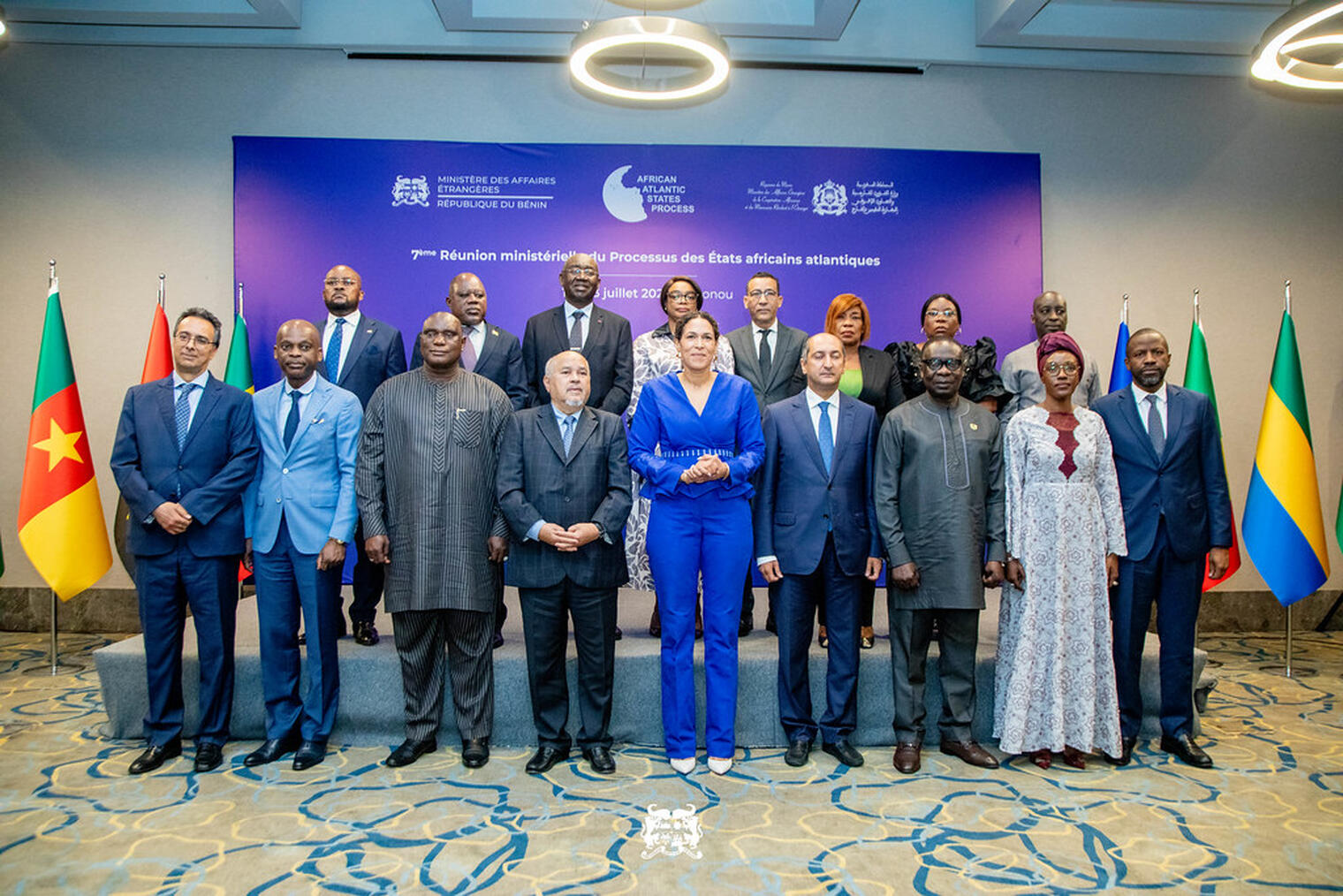
Meeting in Cotonou for the 7th Ministerial Meeting of the Process of Atlantic African States (PAAS), member countries adopted a roadmap aimed at strengthening maritime security, developing green logistics corridors and accelerating the energy transition. The initiative could further enhance trade connectivity and supply chain resilience across Africa’s Atlantic seaboard.
Benin hosted the 7th Ministerial Meeting of the Process of Atlantic African States (PAAS) on 13 July 2026, co-organised with the Kingdom of Morocco. Held under the theme “Consolidating an Integrated Atlantic African Space: Maritime Security, Green Logistics Corridors and Sustainable Energy Transition,” the high-level meeting brought together foreign ministers, heads of delegation and experts from several African countries.
Beyond its diplomatic dimension, the summit underscored a broader economic ambition: positioning the Atlantic African region as a driver of logistics connectivity, regional trade and integrated supply chains.
Green logistics corridors emerge as a strategic priority
As implementation of the African Continental Free Trade Area (AfCFTA) gathers pace, PAAS member states are seeking to strengthen transport infrastructure and logistics links connecting Atlantic ports with inland markets.
The development of green logistics corridors was identified as one of the partnership’s strategic priorities. The objective is to facilitate trade while promoting more sustainable transport systems through decarbonised logistics chains, energy-efficient port infrastructure and the gradual adoption of cleaner energy solutions across maritime and inland transport.
The initiative reflects a broader continental trend in which logistics performance is increasingly recognised as a key factor in attracting industrial investment, facilitating trade and improving regional competitiveness.
Maritime security remains essential for trade
Delegates also stressed that strengthening maritime security is fundamental to supporting economic growth and ensuring the smooth movement of goods.
Africa’s Atlantic coastline hosts several strategic shipping routes linking African economies with Europe, the Americas and global markets. Enhanced cooperation on maritime security is expected to improve the safety of navigation, protect supply chains and reinforce the attractiveness of African ports for shipping lines, logistics operators and investors.
Broad regional participation
The meeting brought together the foreign ministers of Cabo Verde, The Gambia and Togo, alongside Ghana’s Deputy Minister of Foreign Affairs. Delegations from Angola, Cameroon, Côte d’Ivoire, the Democratic Republic of the Congo, Equatorial Guinea, Gabon, Mauritania, Nigeria and Senegal also participated, highlighting growing political commitment to regional cooperation along Africa’s Atlantic coast.
At the conclusion of the meeting, participants adopted the Cotonou Declaration, reaffirming their commitment to building an integrated, peaceful and prosperous Atlantic African space through enhanced cooperation in four strategic areas:
- Maritime security;
- Economic integration;
- Green logistics corridors;
- Sustainable energy transition.
Benin strengthens its position as a regional logistics hub
By hosting the ministerial meeting, Benin reaffirmed its ambition to play a leading role in regional economic integration and logistics development.
In recent years, the country has invested heavily in modernising the Port of Cotonou, improving transport corridors serving landlocked countries and accelerating customs digitalisation to enhance trade facilitation and logistics efficiency.
The organisation of the PAAS ministerial meeting aligns with Benin’s broader strategy of positioning itself as a regional gateway connecting Atlantic maritime routes with West Africa’s inland markets.
Why it matters
- Regional integration: Green logistics corridors are becoming a new pillar of cooperation among Atlantic African states.
- African trade: Stronger maritime and inland connectivity could support AfCFTA implementation and facilitate intra-African trade.
- Logistics competitiveness: Combining maritime security, sustainable transport and modern infrastructure will strengthen the competitiveness of Africa’s Atlantic logistics gateways.
LogistAfrica Insight
The Cotonou Declaration signals a shift in the priorities of Atlantic African states. Beyond diplomatic cooperation, it places logistics corridors, resilient supply chains and sustainable transport at the centre of regional integration efforts. The challenge now will be to translate these political commitments into concrete infrastructure projects, trade facilitation measures and multimodal transport networks capable of enhancing the efficiency and competitiveness of Africa’s Atlantic logistics ecosystem.